Net Metering and ROI: How the Best Solar Company in Pakistan Pays You Back
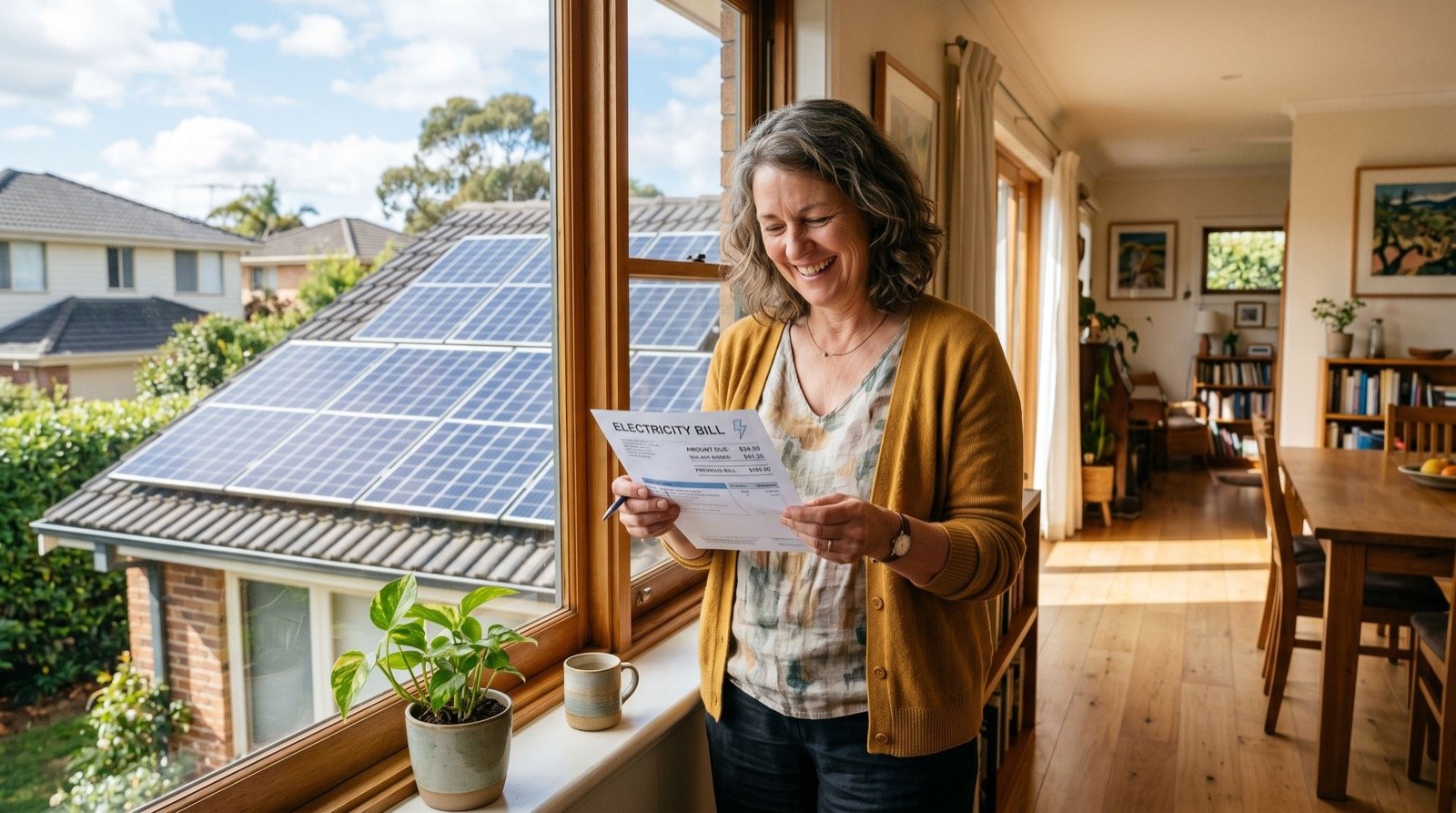
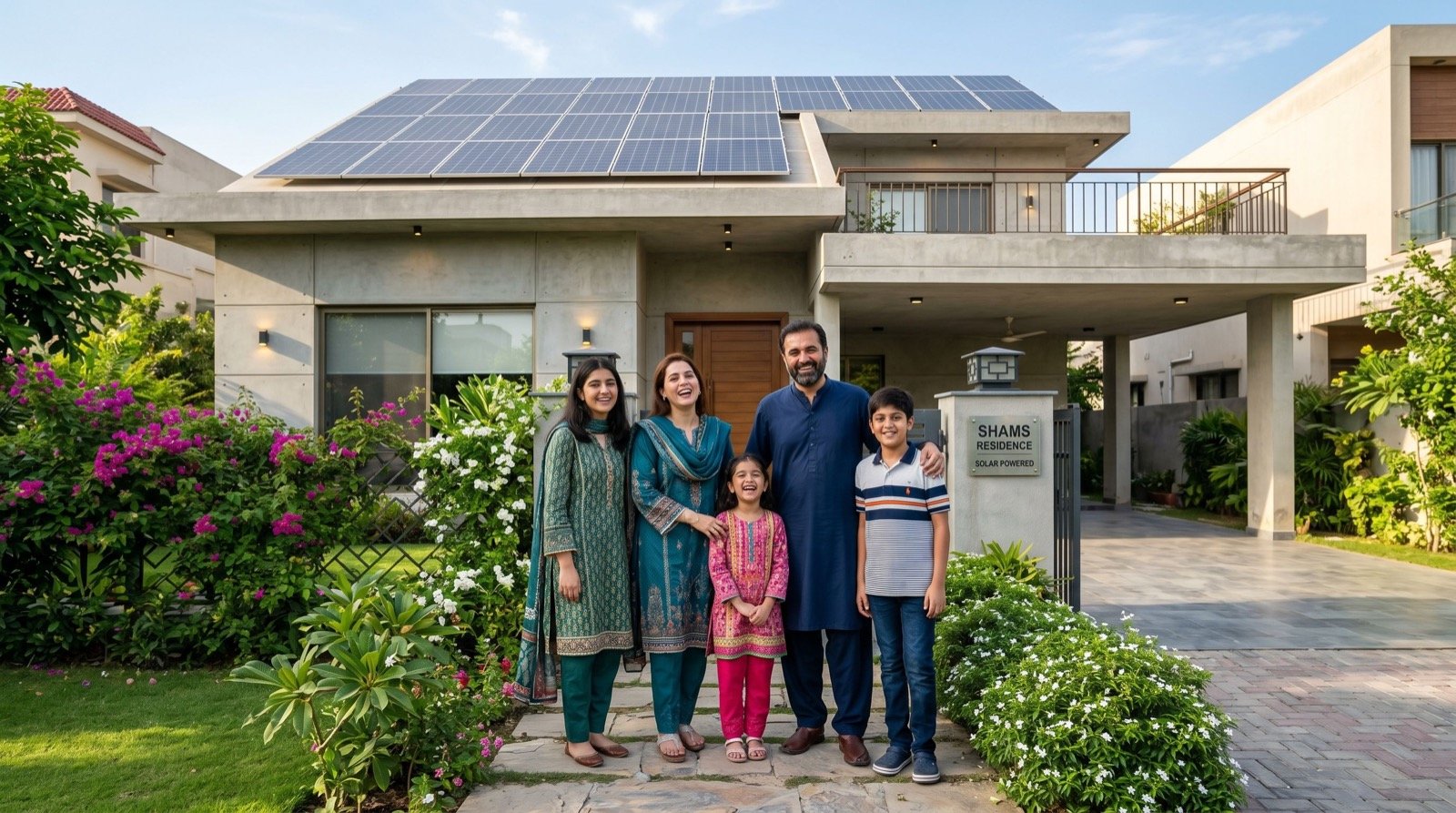
Everyone talks about going green, but the real reason homes switch to solar is money. Working with the best solar company in Pakistan is not about bragging rights. It is about building a system that slashes your bills, earns credits through net metering, and pays for itself in a few short years.
In 2026, rising tariffs have turned solar from a luxury into a straightforward financial decision. This guide breaks down the numbers: how net metering works, what payback really looks like, and how the right installer turns a good investment into a great one.
How Net Metering Turns Your Roof into an Asset
Net metering lets your solar system export surplus electricity back to the grid. During sunny hours, your panels often produce more than you use. Instead of wasting that energy, a bidirectional meter records it, and your distribution company credits those units against your future consumption.
The policy is regulated by the National Electric Power Regulatory Authority, which sets the framework for how households connect and settle their bills. For many homeowners, net metering transforms a monthly expense into a near-zero bill, and sometimes a credit balance.
The Simple Logic Behind the Savings
- Daytime surplus is exported and credited.
- Night-time use draws against those credits.
- You pay only for the net difference each cycle.
- Surplus credits can roll over, reducing future bills.
What Payback Really Looks Like in 2026
Return on investment depends on system size, your current tariff, and how much of your consumption falls during daylight. The table below shows a realistic picture for typical Pakistani homes, assuming current electricity rates.
| System Size | Typical Home | Monthly Saving | Payback Period |
|---|---|---|---|
| 3 kW | Small home / apartment | Moderate | 4–5 years |
| 5–6 kW | 5-marla house | High | 3–4 years |
| 8–10 kW | 10-marla / 1 kanal | Very high | 3–4 years |
After payback, your panels keep generating for another 20 years or more. That is two decades of electricity at a fraction of grid cost, which is why solar is increasingly seen as a savings plan rather than an expense.
Why the Installer Changes Your Numbers
Two identical systems can deliver very different returns depending on who installs them. Correct tilt, zero shading, properly sized cables, and a certified net-metering inverter all protect your output. This is exactly why choosing the best solar company in Pakistan matters more than chasing the cheapest quote.
How to Maximise Your Solar Return
A smart setup is only half the story. Your daily habits and system design together decide how quickly you break even. Professional solar installation services should include advice on all of the following.
- Size for your real load: Oversizing wastes money; undersizing leaves savings on the table.
- Shift heavy use to daytime: Run the washing machine, iron, and pumps while the sun is up.
- Keep panels clean: Dust in Pakistan’s climate can cut output noticeably if ignored.
- Register net metering promptly: Every month without it is lost credit.
- Monitor performance: A good inverter app flags underperformance early.
One original tip from the field: review your first three bills after installation against the generation estimate you were promised. If they do not match, a quality installer will investigate and correct it. That accountability is the mark of dependable specialists rather than one-time sellers.
What Can Slow Down Your Payback?
A few avoidable factors stretch the payback period longer than it needs to be. Knowing them in advance lets you design around them from day one.
- Shading: Even partial shade from a water tank, parapet, or neighbouring wall can drag down an entire string of panels.
- Undersized wiring: Thin cables waste energy as heat and quietly trim your daily yield.
- Cheap inverters: A low-grade inverter that trips or derates in summer heat robs you of peak-hour generation.
- Delayed net metering: Running on-grid without an approved meter means your surplus is handed to the grid for free.
None of these are dramatic on their own, but together they can add a year or more to your break-even point. A careful design review before installation catches them while they are still cheap to fix.
On-Grid, Hybrid, or Off-Grid: Which Pays Back Fastest?
For pure return on investment, a straightforward on-grid system almost always wins. It carries the lowest upfront cost and leans on net metering instead of expensive batteries.
A hybrid system adds a battery for backup during load-shedding, which improves comfort but lengthens payback. Off-grid setups suit remote sites with no reliable connection, yet they are the costliest per usable unit of power. Most urban homes in 2026 settle on on-grid or a small hybrid.
The Role of Ongoing Maintenance
Solar is low-maintenance, not no-maintenance. A twice-yearly panel clean, an annual inverter check, and a quick look at mounting bolts after storm season keep output near its rated level for decades. Skip these and dust plus minor faults quietly erode your return.
Is Solar Worth It If I Plan to Move?
Yes. A registered solar system with active net metering raises a property’s value and appeal. Buyers increasingly factor in low electricity bills, and a documented, well-maintained installation is a strong selling point. Even if you move within a few years, much of the investment returns through a higher sale price.
Frequently Asked Questions
How much can I save with the best solar company in Pakistan?
A correctly sized system commonly cuts bills by 60 to 90 percent, and net-metering credits can push some months close to zero. Exact savings depend on your tariff and daytime usage.
How long does net-metering approval take?
It usually takes a few weeks after installation, depending on your distribution company. A good installer prepares the paperwork correctly to avoid delays and rejections.
Do I need batteries to benefit from net metering?
No. On-grid systems use the grid as a virtual battery through net metering. Batteries are optional and mainly add backup power during load-shedding.
What happens to my credits if I do not use them?
Surplus units typically carry forward to offset future bills under the current framework. Your installer can explain how settlement works with your specific distribution company.
Does solar still work during Pakistan’s cloudy or monsoon months?
Yes, though output dips. Panels still generate on overcast days, just at reduced levels, and the net-metering credits built up in sunny months help balance the lower-production weeks.
How long do solar panels and inverters last?
Quality panels carry performance warranties of around 25 years, while inverters typically last 8 to 12 years before replacement. Both timelines sit comfortably beyond the three-to-five-year payback window.
Conclusion
Net metering and a careful installation are what make solar a genuine money-maker, not just an eco-friendly gesture. The best solar company in Pakistan designs your system for maximum output, handles your net-metering registration, and stands behind the results for years. With a payback of three to five years and two decades of savings beyond that, 2026 is an excellent time to make the switch.
Want to see your own numbers? Request a tailored quote, compare realistic payback estimates, and partner with a team that treats your return on investment as seriously as you do. Start generating your own power today.